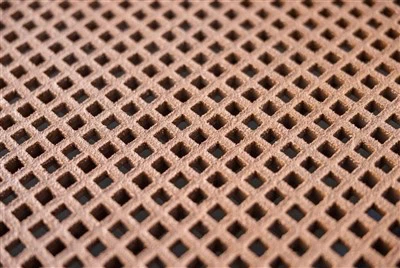
As a supplier of FRP Mini Mesh Grating, I understand the critical role that proper packaging plays in ensuring the safe transportation of our products. In this blog, I'll share the detailed process of how we package FRP Mini Mesh Grating for transportation, covering everything from material selection to the final steps of securing the packages.
Understanding the Characteristics of FRP Mini Mesh Grating
Before delving into the packaging process, it's essential to understand the unique characteristics of FRP Mini Mesh Grating. FRP, or Fiberglass Reinforced Plastic, is a composite material known for its high strength, corrosion resistance, and lightweight nature. The mini mesh design provides a fine grid pattern, which is often used in applications where a small and uniform surface is required, such as walkways, platforms, and industrial flooring.
However, despite its strength, FRP Mini Mesh Grating can be vulnerable to damage during transportation if not properly packaged. The delicate mesh structure can be easily scratched or deformed, and the edges may be chipped. Therefore, our packaging strategy is designed to protect these features and ensure that the gratings arrive at their destination in perfect condition.


Material Selection for Packaging
The first step in the packaging process is to select the appropriate materials. We use a combination of protective materials to safeguard the FRP Mini Mesh Grating from various types of damage.
- Cardboard Sheets: Cardboard is a cost - effective and widely available material that provides a basic level of protection against scratches and minor impacts. We use thick cardboard sheets to line the bottom and sides of the packaging, creating a cushioning layer between the grating and the outer packaging.
- Foam Padding: Foam is an excellent shock - absorbing material. We cut foam padding to fit the shape of the FRP Mini Mesh Grating and place it around the edges and corners. This helps to prevent chipping and cracking during transit.
- Plastic Wrapping: A layer of plastic wrapping is used to cover the entire grating. This not only protects it from dust and moisture but also helps to hold the other packaging materials in place. The plastic wrapping is usually stretchable, allowing it to conform tightly to the shape of the grating.
Pre - Packaging Inspection
Before packaging, each FRP Mini Mesh Grating undergoes a thorough inspection. Our quality control team checks for any defects, such as cracks, uneven surfaces, or incorrect dimensions. Only gratings that meet our strict quality standards are selected for packaging.
During the inspection, we also clean the gratings to remove any debris or dirt. This ensures that the packaging materials adhere properly and that the gratings are in a clean condition when they reach the customer.
Step - by - Step Packaging Process
Step 1: Placement on Cardboard Base
We start by placing a thick cardboard sheet on a flat surface. This will serve as the base of the packaging. The FRP Mini Mesh Grating is then carefully laid on top of the cardboard, ensuring that it is centered and aligned properly.
Step 2: Apply Foam Padding
Next, we cut foam padding to the appropriate size and shape. The foam is placed around the edges and corners of the grating. For larger gratings, we may also place additional foam strips in the middle to provide extra support.
Step 3: Wrap with Plastic
A layer of plastic wrapping is then applied to the grating. We start from one end and carefully wrap the plastic around the entire grating, making sure that it is tightly secured. The plastic wrapping not only protects the grating from moisture and dust but also helps to hold the foam padding in place.
Step 4: Add Additional Cardboard Layers
After the plastic wrapping, we add another layer of cardboard on top of the grating. This provides an extra layer of protection and helps to distribute any pressure evenly during transportation.
Step 5: Secure with Strapping
To keep the package intact, we use strapping to secure the layers of cardboard and the grating together. The strapping is tightened to ensure that the package does not come apart during transit. We usually use high - strength plastic strapping, which is both durable and lightweight.
Packaging for Different Sizes and Quantities
We offer FRP Mini Mesh Grating in various sizes and quantities, and our packaging process is flexible to accommodate these differences.
- Single Grating: For single gratings, the packaging process described above is sufficient. The package is then labeled with the product details, including the size, type, and quantity.
- Multiple Gratings: When shipping multiple gratings, we stack them carefully and use additional cardboard and foam padding between the layers to prevent rubbing and damage. The entire stack is then wrapped in plastic and secured with strapping.
- Large - Scale Orders: For large - scale orders, we may use wooden crates or pallets. The gratings are placed on the pallets and secured with straps or shrink - wrap. The pallets are then loaded onto trucks or containers for transportation.
Special Considerations for International Shipping
When shipping FRP Mini Mesh Grating internationally, we need to consider additional factors such as customs regulations, shipping routes, and weather conditions.
- Customs Regulations: We ensure that all necessary documentation, such as invoices, packing lists, and certificates of origin, are prepared accurately. This helps to avoid any delays at customs.
- Shipping Routes: Different shipping routes may have different levels of vibration and shock. We take this into account when selecting the packaging materials and methods. For example, if the shipment is going through a rough sea route, we may use more robust packaging materials.
- Weather Conditions: Extreme weather conditions, such as high humidity or temperature, can affect the FRP Mini Mesh Grating. We use moisture - resistant packaging materials and may include desiccants in the packages to prevent moisture damage.
Importance of Proper Packaging
Proper packaging is not only important for protecting the FRP Mini Mesh Grating but also for maintaining our reputation as a reliable supplier. When our customers receive the gratings in perfect condition, they are more likely to trust us and place future orders.
In addition, proper packaging can also reduce the cost of transportation. By minimizing the risk of damage, we can avoid the need for replacements and returns, which can be costly and time - consuming.
Conclusion
In conclusion, as a supplier of FRP Mini Mesh Grating, we take great care in packaging our products for transportation. Our packaging process is designed to protect the gratings from damage, ensure their safe arrival at the destination, and meet the needs of our customers.
If you are interested in purchasing FRP Mini Mesh Grating, Micro Mesh Grating, FRP Micro Mesh Grating, GRP Mini Mesh Grating or FRP Walkway Grating, please feel free to contact us for more information and to discuss your specific requirements. We look forward to serving you.
References
- ASTM International. (2023). Standard Specification for Fiber - Reinforced Plastic (FRP) Gratings.
- Fiberglass Reinforced Plastic Manufacturers Association. (2022). Best Practices for Packaging and Shipping FRP Products.