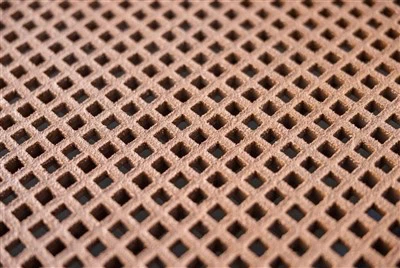
What are the fire - rating levels of Moulded Fibreglass Grating?
As a supplier of Moulded Fibreglass Grating, I often encounter inquiries about the fire - rating levels of our products. Understanding these levels is crucial for customers, especially when the grating is to be used in environments where fire safety is a top priority. In this blog, I will delve into the different fire - rating levels of Moulded Fibreglass Grating and explain their significance in various applications.
1. Basics of Fire - Rating for Moulded Fibreglass Grating
Fire - rating of a material is a measure of its ability to resist fire and prevent the spread of flames. For Moulded Fibreglass Grating, the fire - rating is determined through a series of standardized tests. These tests evaluate factors such as the ignition resistance, flame spread, and heat release of the grating when exposed to fire.
The most common fire - rating standards used for Moulded Fibreglass Grating are the ASTM (American Society for Testing and Materials) E84 standard in the United States and the UL (Underwriters Laboratories) 94 standard, which is widely recognized for assessing the flammability of plastic materials.
2. Different Fire - Rating Levels
- Class A Rating
A Moulded Fibreglass Grating with a Class A fire - rating is considered to have excellent fire - resistant properties. According to the ASTM E84 standard, a Class A material has a flame spread index of 0 - 25 and a smoke - developed index of 0 - 450. This means that when exposed to fire, the grating will not easily catch fire, and if it does, the flames will spread very slowly. The low smoke - developed index also ensures that the amount of smoke produced during a fire is minimal, which is crucial for maintaining visibility and reducing the risk of smoke inhalation in an emergency.
Class A rated Moulded Fibreglass Grating is often used in high - risk environments such as oil refineries, chemical plants, and power generation facilities. In these settings, the potential for fire is high, and any fire - related incident can have catastrophic consequences. For example, in an oil refinery, a small spark could ignite flammable substances, and a Class A rated grating can help prevent the fire from spreading quickly across walkways and platforms. You can find more information about our Class A rated FRP Molded Gratings on our website.
- Class B Rating
A Class B fire - rated Moulded Fibreglass Grating has a flame spread index of 26 - 75 and a smoke - developed index similar to that of a Class A material. While it is not as fire - resistant as a Class A rated grating, it still offers a good level of protection against fire. Class B rated gratings are commonly used in industrial settings where the fire risk is moderate, such as warehouses and manufacturing plants.
In a warehouse, for instance, there may be stored goods that are flammable to some extent. A Class B rated grating can act as a barrier to slow down the spread of fire, giving more time for evacuation and firefighting efforts. Our Industrial Gratings with Class B rating are suitable for such applications.
- Class C Rating
Class C rated Moulded Fibreglass Grating has a flame spread index of 76 - 200. This rating indicates that the grating is less fire - resistant compared to Class A and B rated gratings. However, it can still be used in some non - critical applications where the fire risk is relatively low, such as in some commercial buildings or outdoor walkways that are not in close proximity to flammable sources.
For example, in a shopping mall, a Class C rated grating can be used for decorative or non - essential walkways. Our FRP Rectangular Mesh Grating with Class C rating can be a cost - effective option for such scenarios.
3. Factors Affecting Fire - Rating
- Resin Type
The type of resin used in the manufacturing of Moulded Fibreglass Grating plays a significant role in determining its fire - rating. Some resins, such as phenolic resins, are inherently more fire - resistant than others. Phenolic resins have a high carbon content and form a char layer when exposed to fire, which acts as a barrier to prevent further combustion. On the other hand, polyester resins are less fire - resistant but are more commonly used due to their lower cost. - Additives
Fire - retardant additives can be incorporated into the resin during the manufacturing process to improve the fire - rating of the grating. These additives work by releasing fire - suppressing gases when heated, or by forming a protective layer on the surface of the grating to prevent the spread of flames.
4. Importance of Choosing the Right Fire - Rating
Selecting the appropriate fire - rating for Moulded Fibreglass Grating is essential for ensuring the safety of a facility. Using a grating with a lower fire - rating than required in a high - risk environment can lead to increased fire hazards and potential legal liabilities.
For example, if a company uses a Class C rated grating in an oil refinery instead of a Class A rated one, and a fire breaks out, the grating may contribute to the rapid spread of the fire, causing significant damage to property and putting lives at risk. In addition to safety concerns, choosing the right fire - rating can also affect insurance premiums. Insurance companies often offer lower premiums for facilities that use fire - resistant materials, as they are considered to have a lower risk of fire damage.
5. Applications of Different Fire - Rated Gratings
- High - Risk Industrial Areas
As mentioned earlier, Class A rated gratings are ideal for high - risk industrial areas such as chemical plants, oil rigs, and power stations. These areas require the highest level of fire protection to prevent accidents and ensure the safety of workers. Open Mesh Grating with Class A rating is often used on platforms and walkways in these industries. - General Industrial and Commercial Buildings
Class B rated gratings are widely used in general industrial and commercial buildings. They provide a good balance between fire - resistance and cost - effectiveness. In commercial buildings, they can be used for mezzanine floors, stair treads, and balcony railings. Our GRP Moulded Grating with Class B rating is a popular choice for these applications. - Low - Risk Areas
Class C rated gratings are suitable for low - risk areas such as residential balconies, garden walkways, and some indoor decorative applications. In these areas, the fire risk is relatively low, and a Class C rated grating can provide a cost - effective solution.
6. Conclusion and Call to Action
In conclusion, understanding the fire - rating levels of Moulded Fibreglass Grating is essential for making the right choice for your specific application. Whether you need a highly fire - resistant Class A rated grating for a high - risk industrial environment or a more cost - effective Class C rated grating for a low - risk area, we have a wide range of products to meet your needs.
If you are interested in learning more about our Moulded Fibreglass Grating and its fire - rating options, or if you have any questions regarding the selection and application of our products, please feel free to contact us. Our team of experts is ready to assist you in making an informed decision and will work with you to ensure that you get the best - suited grating for your project.


References
- ASTM E84 Standard Test Method for Surface Burning Characteristics of Building Materials
- UL 94 Standard for Tests for Flammability of Plastic Materials for Parts in Devices and Appliances