Composition of FRP Floor Grating
FRP, or Fiberglass Reinforced Plastic, is a composite material made up of a polymer matrix reinforced with glass fibers. The polymer matrix is typically a thermosetting resin, such as polyester, vinyl ester, or epoxy. These resins are chosen for their chemical resistance, mechanical properties, and ability to bond well with the glass fibers.
The glass fibers provide the strength and stiffness to the grating. They are usually in the form of continuous strands or mats, which are embedded in the resin matrix. The combination of the resin and the glass fibers results in a material that is lightweight, strong, and highly resistant to corrosion.
Factors Contributing to Corrosion Resistance
Chemical Inertness of Resins
Polyester resins, for example, have good general chemical resistance. They can withstand exposure to a wide range of chemicals, including acids, alkalis, and salts. Vinyl ester resins offer even better chemical resistance, especially in more aggressive chemical environments. Epoxy resins are known for their excellent adhesion and resistance to a variety of solvents and chemicals.
The chemical structure of these resins makes them less likely to react with corrosive substances. They form a protective barrier around the glass fibers, preventing the penetration of corrosive agents.
Barrier Effect of the Grating Structure
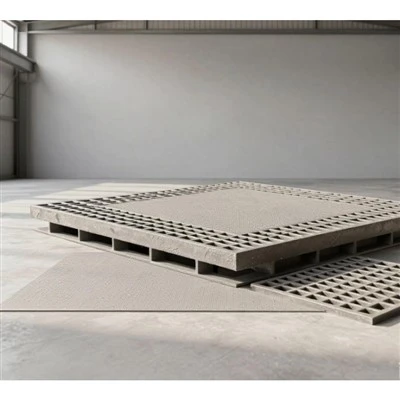
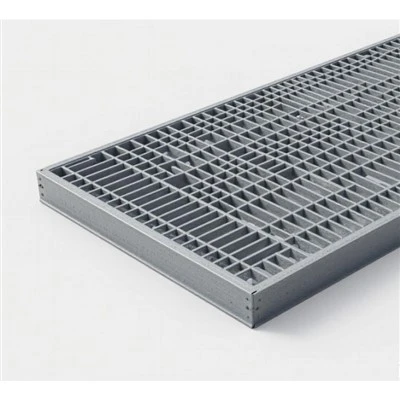
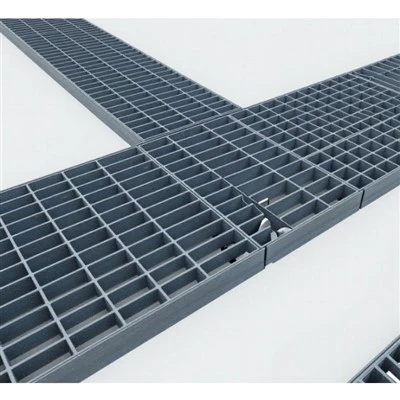
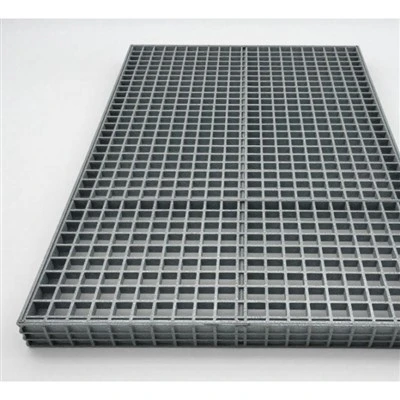
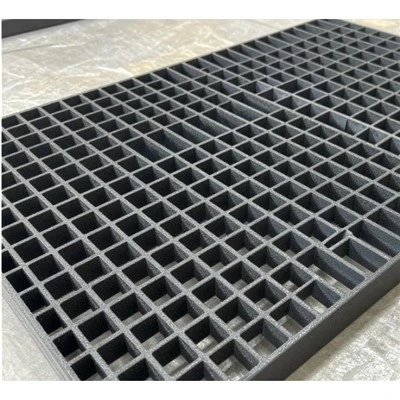
The structure of FRP floor grating itself acts as a barrier against corrosion. The solid surface of the grating reduces the contact area between the corrosive substances and the underlying material. Additionally, the cross - sectional design of the grating, such as the FRP Rectangular Mesh Grating, allows for good drainage, which helps to prevent the accumulation of corrosive liquids on the surface.
Low Porosity
FRP floor grating has low porosity compared to some traditional materials like metal. This means that there are fewer pores or voids in the material where corrosive substances can penetrate. As a result, the risk of internal corrosion is significantly reduced.
Performance in Different Environments
Industrial Environments
In industrial settings, such as chemical plants, wastewater treatment facilities, and food processing plants, FRP floor grating is widely used. In chemical plants, it can resist the corrosion caused by various chemicals, including sulfuric acid, hydrochloric acid, and caustic soda. The Moulded Fibreglass Grating is particularly suitable for these environments due to its high chemical resistance.
In wastewater treatment facilities, the grating is exposed to a variety of corrosive substances, including sewage, sludge, and chemicals used in the treatment process. FRP floor grating can withstand these conditions without significant degradation, ensuring long - term performance.
Marine Environments
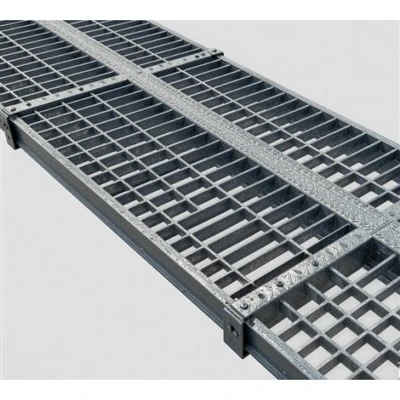
The marine environment is highly corrosive due to the presence of saltwater. FRP floor grating is an ideal choice for docks, piers, and offshore platforms. It can resist the corrosion caused by saltwater, as well as the effects of UV radiation and high humidity. The FRP Mesh Grating is often used in marine applications because of its lightweight and corrosion - resistant properties.
Food and Beverage Industry
In the food and beverage industry, hygiene and corrosion resistance are crucial. FRP floor grating is non - porous and easy to clean, which helps to prevent the growth of bacteria and other microorganisms. It can also resist the corrosion caused by food acids, cleaning agents, and water.
Comparison with Traditional Materials
Metal Grating
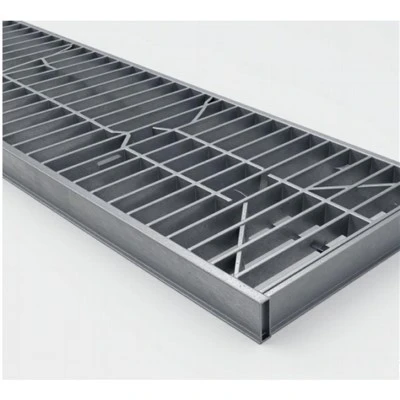
Metal grating, such as steel or aluminum, is commonly used in many applications. However, metal is prone to corrosion, especially in harsh environments. Steel can rust when exposed to moisture and oxygen, while aluminum can corrode in the presence of certain chemicals. In contrast, FRP floor grating does not rust or corrode, which makes it a more durable and cost - effective option in the long run.
Wood Grating
Wood grating is another traditional option. It is relatively inexpensive, but it is susceptible to rot, decay, and insect damage. FRP floor grating, on the other hand, is resistant to these problems, making it a better choice for outdoor and wet environments.
Maintenance and Long - Term Performance
One of the advantages of FRP floor grating is its low maintenance requirements. Unlike metal grating, which may require regular painting or coating to prevent corrosion, FRP grating only needs occasional cleaning. This reduces the overall cost of ownership over the lifespan of the grating.
The long - term performance of FRP floor grating is also excellent. With proper installation and use, it can last for decades without significant degradation. This makes it a reliable choice for applications where durability and corrosion resistance are essential.
Conclusion
In conclusion, FRP floor grating is highly resistant to corrosion due to its composition, structure, and chemical properties. It can perform well in a variety of environments, including industrial, marine, and food and beverage settings. Compared to traditional materials like metal and wood, FRP floor grating offers better corrosion resistance, lower maintenance requirements, and longer service life.