Product Overview
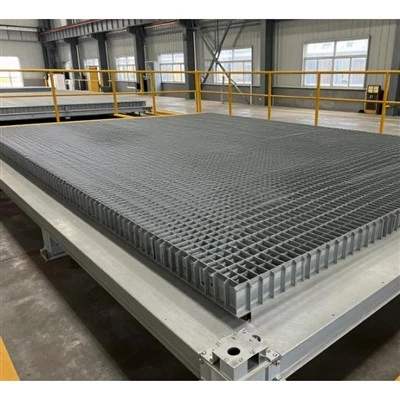
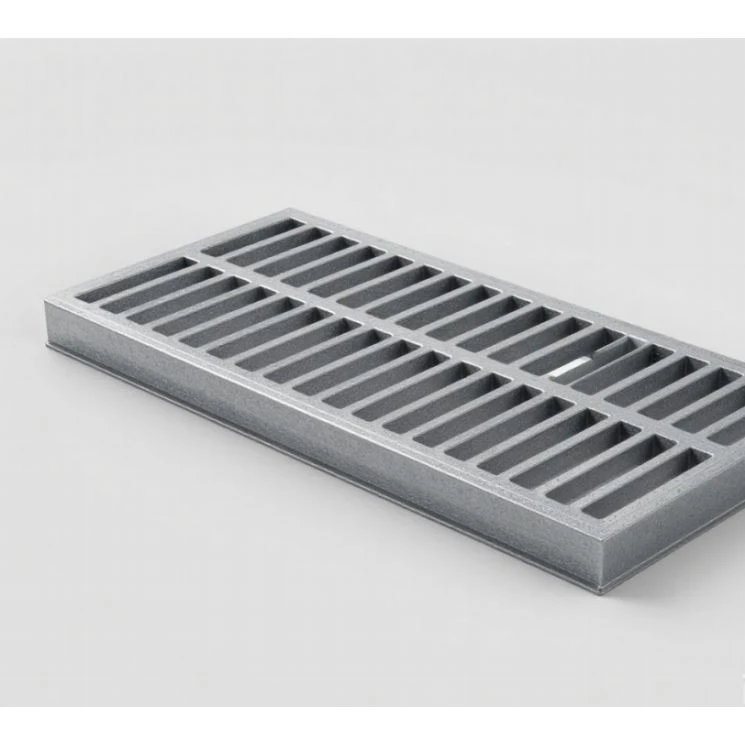
Skywind Composites manufactures high-performance fiberglass reinforced polymer (FRP) stair treads for industrial access systems. Engineered through a molded process, our treads combine continuous fiberglass reinforcement with a corrosion-resistant resin matrix to deliver a strong, lightweight, and non-conductive walking surface with integral anti-slip traction.
Technical Specifications
|
Parameter |
Options & Details |
|
Material |
Fiberglass Reinforced Polymer (FRP) |
|
Manufacturing Process |
Molded Grid System |
|
Reinforcement |
Continuous Fiberglass Roving |
|
Resin Systems |
Polyester, Isophthalic Polyester, Vinyl Ester, or Custom Formulation |
|
Surface Finish |
Molded or Applied Gritted Anti-Slip |
|
Nosing |
High-visibility contrasting nosing available |
|
Dimensions |
Fully customized per project drawings |
|
Mesh Pattern |
Square or rectangular configurations |
|
Standards |
ISO 9001 manufactured; ASTM and ABS compliant options available |
Key Benefits
Corrosion Resistance: Withstands moisture, salt spray, and aggressive chemicals without rusting.
Integral Anti-Slip Surface: Gritted or molded traction surfaces ensure secure footing in wet, oily, or washdown areas.
High Strength-to-Weight Ratio: Lightweight composite construction simplifies manual handling and installation compared to heavy steel.
Electrically Non-Conductive: Ideal for substations, power plants, and electrical infrastructure.
Low Maintenance: Eliminates the need for rust removal, painting, or protective coating upkeep.
Versatile Fit: Suitable for both new industrial construction and retrofit projects.
Applications
Chemical Processing Plants: Access stairs and platforms resistant to corrosive chemical splashes and vapors.
Wastewater Treatment Facilities: Walkways and stairs impervious to moisture, sewage, and treatment chemicals.
Oil and Gas Facilities: Robust, slip-resistant access solutions for offshore platforms and onshore refineries.
Marine and Offshore Structures: Saltwater-resistant treads that eliminate rust concerns in marine environments.
Power Plants & Electrical Facilities: Non-conductive access systems designed around high-voltage equipment.
Manufacturing & Food Processing: Durable, cleanable, and corrosion-resistant flooring and stair solutions.
Resin Selection Guide
Choosing the correct resin system ensures long-term durability in specific operating environments:
Polyester
General-purpose resin for moderate corrosion resistance and cost efficiency.
Isophthalic Polyester
Enhanced chemical and corrosion resistance for demanding industrial settings.
Vinyl Ester
Maximum resistance against aggressive acids, caustics, and harsh solvents in chemical and wastewater plants.
Custom Formulations
Tailored based on chemical concentration, operating temperature, and exposure frequency.
Molded FRP vs. Conventional Steel
|
Factor |
Molded FRP Stair Tread |
Conventional Steel Stair Tread |
|
Corrosion Resistance |
Excellent (inherent material property) |
Requires galvanizing, painting, or recoating |
|
Weight |
Lightweight (manual installation) |
Heavy (requires lifting equipment) |
|
Electrical Conductivity |
Non-Conductive |
Conductive |
|
Maintenance |
Minimal / Rust-Free |
High (frequent rust treatment) |
|
Installation |
Simple mechanical fastening |
Often requires hot work / welding |
|
Lifecycle Cost |
Low overall maintenance cost |
High ongoing maintenance cost |
Frequently Asked Questions
Q: What is molded FRP stair tread grating?
A: It is a fiberglass reinforced polymer stair tread formed through a molding process, combining continuous fiberglass reinforcement with a resin matrix to deliver a lightweight, high-strength, and corrosion-resistant walking surface.
Q: Are these stair treads certified for quality and safety?
A: Yes, manufacturing processes adhere strictly to ISO 9001 standards, with ASTM and ABS compliant options available upon request.
Q: Can FRP stair treads replace steel stair treads?
A: Yes. In many industrial applications, FRP replaces steel where corrosion resistance, low maintenance, lightweight handling, and electrical non-conductivity are priority requirements.
Q: How are FRP stair treads installed?
A: They are securely fastened to supporting structures using mechanical fastening clips designed specifically for FRP grating systems, eliminating the need for hazardous hot work or welding.
Hot Tags: molded frp stair tread grating, China molded frp stair tread grating manufacturers, suppliers, factory